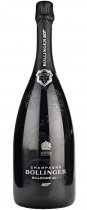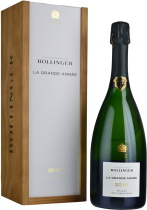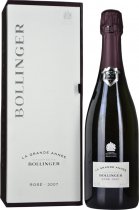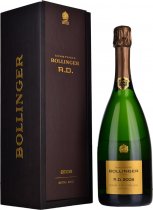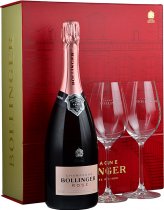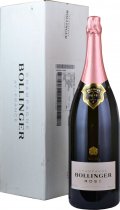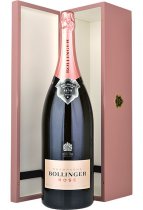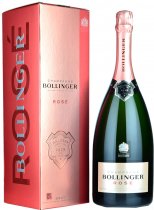
Bollinger stands among the most revered and distinctive houses in Champagne, celebrated for a style defined by depth, structure, and uncompromising craftsmanship. Founded in 1829 in the village of Ay, one of the region’s historic grand cru centres, the house has built a global reputation for Champagnes that combine richness with remarkable precision. Across nearly two centuries, it has remained fiercely independent, preserving a family-led philosophy rooted in patience, quality, and respect for tradition.
Unlike many producers, Bollinger’s identity is inseparable from its exceptional vineyard holdings, the majority classified as grand cru or premier cru. This deep connection to land allows the house to maintain rigorous control over grape quality and stylistic consistency. Central to its signature is the prominence of Pinot Noir, lending wines their renowned power, texture, and longevity — a defining contrast to lighter interpretations of Champagne.
Bollinger is widely admired for preserving historic winemaking techniques that have largely disappeared elsewhere in Champagne. Among the most notable is fermentation in aged oak barrels, a labour-intensive practice that enhances complexity and structure while maintaining freshness. The house also maintains an extraordinary library of reserve wines stored in magnums, allowing blends to achieve remarkable depth and continuity across vintages.
Beyond the cellar, it occupies a unique place in cultural and cinematic history, most famously as the Champagne of choice in the James Bond films — an association that reflects the house’s image of confidence, elegance, and understated power. Yet its reputation among connoisseurs rests not on glamour alone, but on unwavering dedication to craft integrity and stylistic consistency.
Today, Bollinger is poured in fine dining restaurants, luxury hotels, and private collections across the world, symbolising a level of prestige earned through authenticity rather than scale. Its continued independence and adherence to traditional methods distinguish it within a global Champagne landscape increasingly shaped by large groups and modern efficiency.